![]() |
The TRIBO Product Line |
Auburn continuously works to update and improve our products by utilizing the advances in today’s cutting edge technology, while building upon our years of experience.
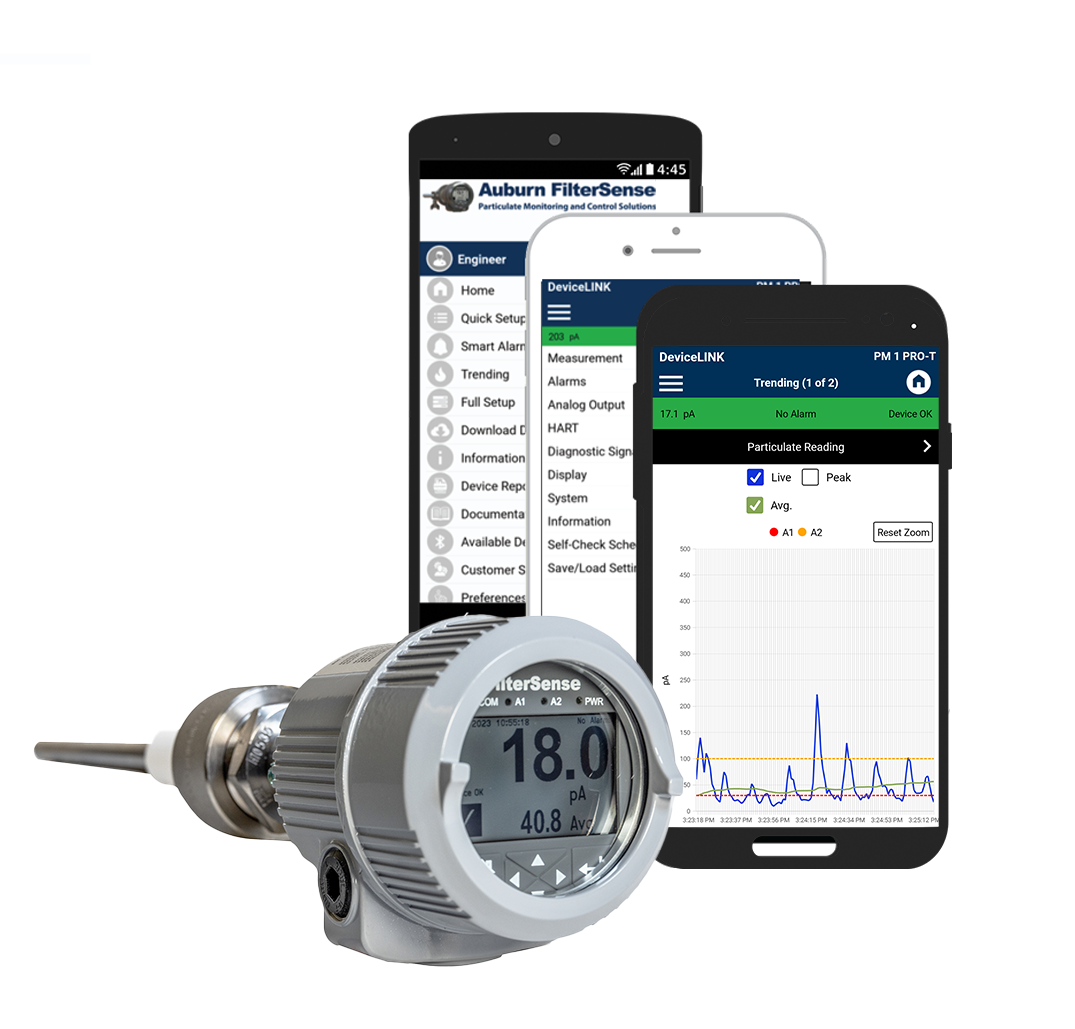
Auburn’s, updated, TRIBO.dsp series of electrostatic particulate monitors provide a stable and reliable wide range signal, with robust electrical interference resistance - even in harsh industrial environments.
Using our proprietary core technology, TRIBO.dsp unifies DC impaction (triboelectric) and AC induction electrostatic signals for superior accuracy, reliability, and repeatability, unlike AC induction-only monitors, which use only a portion of the triboelectric signal.
|
|
TRIBO.dsp U3200 TRIBO.dsp U3200 is an advanced and economical particulate detector for dust collector compliance, maintenance, and process applications. The U3200 is designed to monitor fabric filter baghouses, cartridge filters, cyclones, and all types of dust collection equipment. More >> |
|
|
TRIBO.dsp U3400 TRIBO.dsp U3400 is the industry’s first two-wire, loop powered, wide dynamic range particulate monitor for both high and low temperature applications. The U3400 is simple to install and requires no operator sensitivity adjustment. It is the most reliable, sensitive, easy to use particulate emissions and flow monitoring system available today. More >> |
|
|
TRIBO.dsp U3600 TRIBO.dsp U3600 is an advanced, self checking, particulate emissions monitor ideal for environmental compliance and dust collector maintenance applications. The unified DC/AC design and wide dynamic range, along with flexible scaling and alarm features, allows the U3600 to be used for many process flow applications. More >> |
|
|
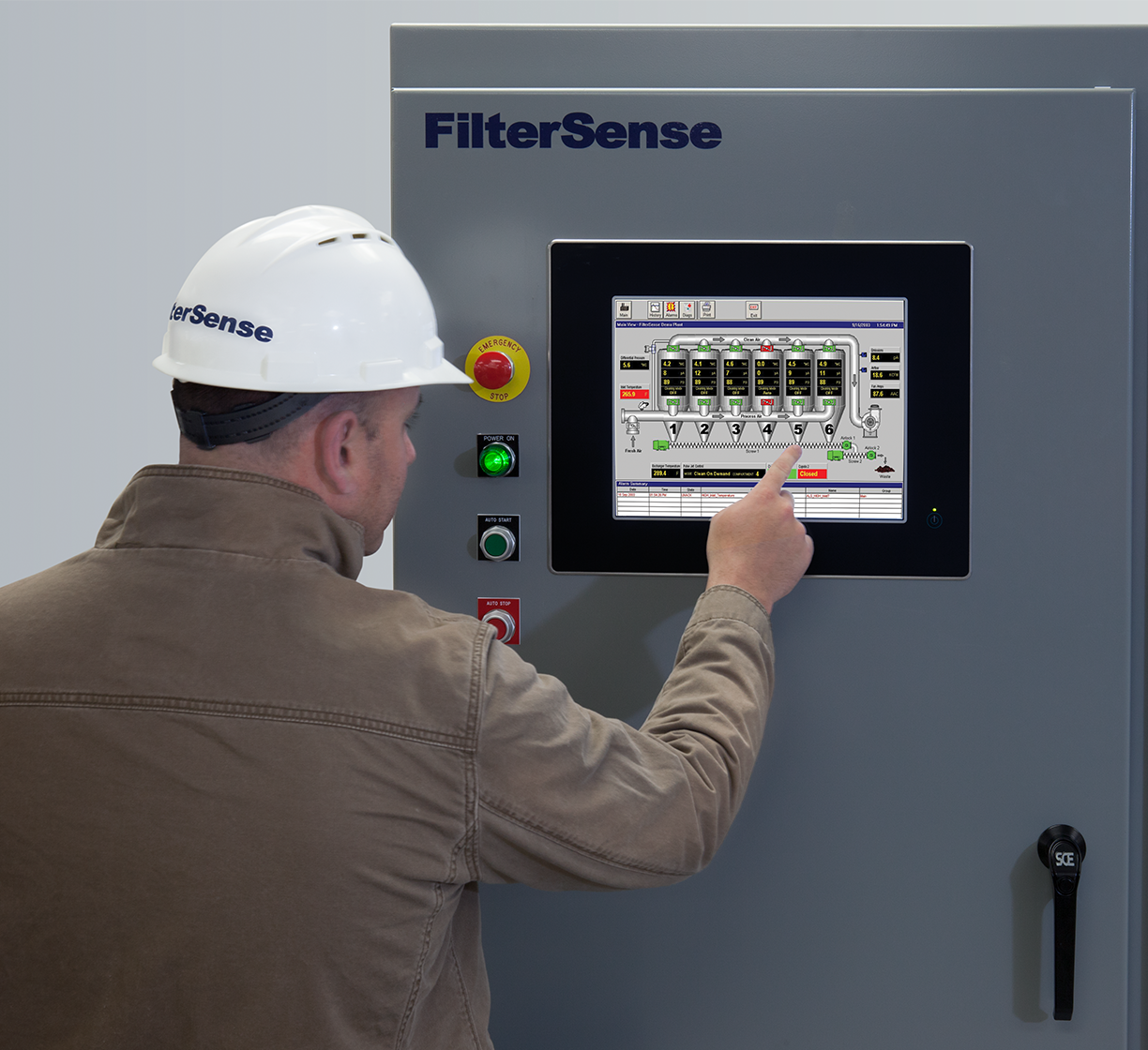
TRIBO.dsp U3800 TRIBO.dsp U3800 is a multichannel particulate monitor for emissions or flow applications. Each unit is capable of connecting up to six remote probes. The U3800 has an intuitive industrial grade touch screen, displaying user selectable views such as: line chart; numerical; or bar chart views. More >> |
|
|
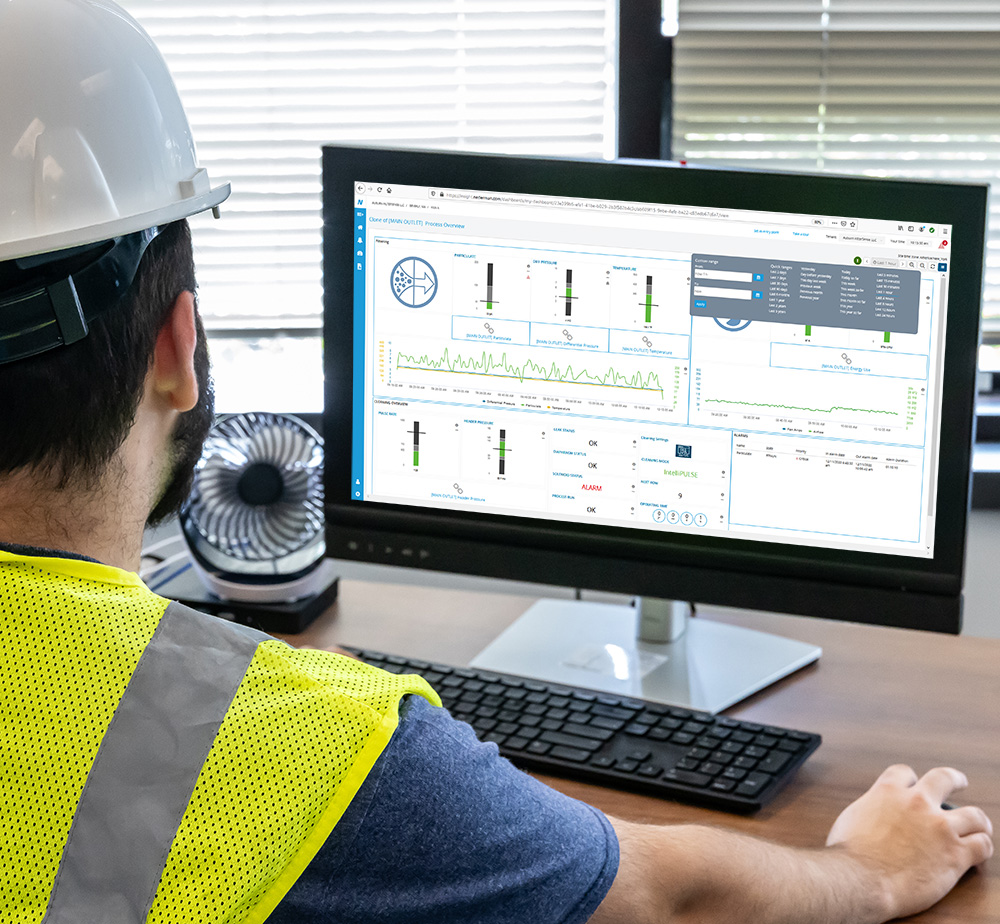
TRIBO.vision TRIBO.vision organizes information and provides alarm functions for a large number of devices: emissions control systems; differential pressure; bin level; temperature; fan amps; and various maintenance and ancillary manufacturing activities - while eliminating costly programming. It can be used as a stand alone system or as a complement to existing data management software. More >> |
|
|
TRIBO.guard I Model 4001 Rugged and reliable, the TRIBO.guard 4001 Bag Leak Detector monitors the outlet ducts of dust collectors. This detector can sense the dust level in collector exhaust air and compare it with an adjustable set point. More >> |
|
|
TRIBO.guard II Model 4002 The TRIBO.guard II Model 4002 Dust Monitor continuously monitors dust in exhaust ducts to detect filter failures. The 4002 detects changes in the levels and warns of impending failure before emissions become visible. Continuous 4-20mA output is linked to data loggers or other devices, such as PLCs, to record emissions levels, pinpoint maintenance problems, or document Clean Air compliance. More >> |
|
|
TRIBO.prevent TRIBO.prevent Dual Alarm System provides two independent relays for setting early warning and high level alarms. The unit is designed to accept both loop powered or self powered 4-20 mA input signals and displays the signal on a 10-segment LED bar graph. TRIBO.prevent can be used with the TRIBO.dsp U3400 and TRIBO.guard 4002. More >> |
|
|
TRIBO.dgd 9000 TRIBO.dgd was the first all-digital, dual channel, dust collector monitoring system for real-time bag leak detection. This monitor has the capability of detecting and locating the onset of bag leakage, while simultaneously receiving other selected parameters such as, velocity, differential pressure, fan motor amps, temperature and others. More >> |
|
|
TRIBO.trac Used with any Auburn analog particulate emissions monitor the TRIBO.trac Leak Locator System continuously monitors dust collector emissions exhaust air ducts. It provides both early warning and high emis- sion (reportable incident) alarm outputs and pinpoints the the leak location (row or compartment). More >> |